Alocasia Dragon Tooth: Discover the Mysterious Beauty of this Plant
Are you looking for a dramatic and exotic plant to elevate your indoor garden? Look no further than Alocasia Dragon Tooth. This unique plant is known for its striking foliage and intriguing appearance. In this article, we will explore everything you need to know about Alocasia Dragon Tooth, from its history and origin to how to care for it.
Alocasia Dragon Tooth is a member of the Araceae family, which also includes philodendrons and peace lilies. It is native to Southeast Asia, where it grows in tropical rainforests. The plant gets its name from the shape of its leaves, which are pointed and tooth-like. Alocasia Dragon Tooth is also sometimes called Alocasia Baginda or Alocasia Baginda Dragon Scale.
This plant has gained popularity in recent years due to its visually appealing appearance. Its large, glossy green leaves have a metallic sheen, with veins that run throughout them. The leaves grow on long stems that can reach up to three feet tall. While the plant itself is not very big, its foliage makes a bold statement wherever it is placed.
History and Origin
Alocasia Dragon Tooth was discovered in the wilds of Borneo in 2005 by a group of plant enthusiasts. They found the plant growing in a remote area of the island, and were immediately struck by its unique appearance. The group brought some cuttings back to their nursery, where they began to cultivate it.
Since then, Alocasia Dragon Tooth has become a popular houseplant around the world. It is still relatively rare, but its distinctive look and easy care requirements make it an attractive option for collectors and casual gardeners alike.
Characteristics of Alocasia Dragon Tooth
Alocasia Dragon Tooth is a tropical plant that thrives in warm, humid environments. It is relatively easy to care for, but there are a few things you should know if you want to keep it healthy and happy.
Leaves
The leaves of Alocasia Dragon Tooth are the plant's standout feature. They are large, glossy, and have an almost metallic sheen to them. The leaves can grow up to a foot long and six inches wide, with veins that run throughout them. The "teeth" on the leaves are actually pointed tips that give the plant its unique appearance.
Stem
The stem of Alocasia Dragon Tooth is long and slender, and can reach up to three feet tall. It is usually green, but can sometimes have a reddish tint. The stem is sturdy enough to support the weight of the large leaves, but can be prone to bending or drooping if the plant is not properly supported.
Flowers
Alocasia Dragon Tooth does produce flowers, but they are small and unremarkable. The plant is grown primarily for its foliage, so don't expect a showy display of blooms.
Toxicity
Like many plants in the Araceae family, Alocasia Dragon Tooth is toxic if ingested by humans or pets. The plant contains calcium oxalate crystals, which can cause irritation and swelling in the mouth and throat. If you have children or pets in your home, it's best to keep this plant out of reach.
How to Care for Alocasia Dragon Tooth
Alocasia Dragon Tooth is a relatively easy plant to care for, but there are a few key things you should keep in mind if you want to keep it healthy and happy.
Light
Alocasia Dragon Tooth prefers bright, indirect light. Direct sunlight can scorch its leaves, so it's best to keep it away from windows that get a lot of sun. If you notice that the leaves are turning yellow or brown, it may be a sign that the plant is getting too much light.
Water
Alocasia Dragon Tooth likes moist soil, but not waterlogged soil. Make sure the soil is well-draining, and only water the plant when the top inch of soil is dry to the touch. Overwatering can cause root rot, which can be fatal to the plant.
Humidity
Alocasia Dragon Tooth is a tropical plant that loves humidity. If the air in your home is dry, you may need to increase the humidity around the plant. You can do this by placing a humidifier near the plant, or by setting it on a tray of pebbles filled with water.
Temperature
Alocasia Dragon Tooth prefers warm temperatures between 60 and 80 degrees Fahrenheit. It can tolerate cooler temperatures, but should be kept away from drafts or cold windows.
Soil
Alocasia Dragon Tooth prefers well-draining soil that is rich in organic matter. You can use a commercial potting mix designed for tropical plants, or make your own by mixing peat moss, perlite, and compost.
Fertilizer
Alocasia Dragon Tooth benefits from regular fertilization during the growing season. Use a balanced fertilizer every two weeks, or a slow-release fertilizer once a month.
Common Problems and Solutions
Like any plant, Alocasia Dragon Tooth can experience a variety of problems. Here are some common issues and how to address them:
Yellowing Leaves
Yellowing leaves can be a sign of overwatering or underwatering. Check the soil moisture level and adjust your watering accordingly.
Brown Tips
Brown tips on the leaves can be a sign of low humidity. Increase the humidity around the plant by using a humidifier or placing it on a tray of pebbles.
Droopy Leaves
Droopy leaves can be a sign of overwatering or underwatering, as well as a lack of support for the stem. Check the soil moisture level and adjust your watering accordingly, and make sure the plant is properly supported.
Pest Infestations
Alocasia Dragon Tooth can be susceptible to spider mites, scale insects, and mealybugs. If you notice signs of an infestation, treat the plant with an insecticidal soap or oil spray.
Alocasia Dragon Tooth is a stunning and unique plant that adds a touch of drama to any indoor garden. With its glossy metallic leaves and tooth-like shape, it's sure to turn heads and conversations wherever it is placed. By following the care tips outlined in this article, you can keep your Alocasia Dragon Tooth healthy and happy for years to come.
Frequently Asked Questions
Q1. Is Alocasia Dragon Tooth toxic to pets?
Yes, Alocasia Dragon Tooth is toxic to pets if ingested. The plant contains calcium oxalate crystals, which can cause irritation and swelling in the mouth and throat.
Q2. How often should I water my Alocasia Dragon Tooth?
Water your Alocasia Dragon Tooth when the top inch of soil is dry to the touch. Avoid overwatering, as this can cause root rot.
Q3. Does Alocasia Dragon Tooth need direct sunlight?
No, Alocasia Dragon Tooth prefers bright, indirect light. Direct sunlight can scorch its leaves.
Q4. Can I propagate my Alocasia Dragon Tooth?
Yes, Alocasia Dragon Tooth can be propagated by division. Simply separate the plant into smaller sections, making sure each section has roots attached.
Q5. What kind of soil does Alocasia Dragon Tooth like?
Alocasia Dragon Tooth prefers well-draining soil that is rich in organic matter. You can use a commercial potting mix designed for tropical plants, or make your own by mixing peat moss, perlite, and compost.
Q6. Can I grow Alocasia Dragon Tooth outdoors?
Alocasia Dragon Tooth is a tropical plant that prefers warm, humid environments. It can be grown outdoors in USDA zones 9-11, but should be protected from direct sunlight and cold temperatures.
Q7. How often should I fertilize my Alocasia Dragon Tooth?
Alocasia Dragon Tooth benefits from regular fertilization during the growing season. Use a balanced fertilizer every two weeks, or a slow-release fertilizer once a month.
Q8. Why are the leaves on my Alocasia Dragon Tooth turning yellow?
Yellowing leaves can be a sign of overwatering or underwatering. Check the soil moisture level and adjust your watering accordingly.
Q9. What is the best way to increase humidity around my Alocasia Dragon Tooth?
You can increase humidity around your Alocasia Dragon Tooth by using a humidifier or placing it on a tray of pebbles filled with water.
Q10. How big does Alocasia Dragon Tooth get?
Alocasia Dragon Tooth is a relatively small plant, growing up to three feet tall with leaves that can reach up to a foot long and six inches wide.
11 Alocasia dragon tooth Images

Alocasia Macrorrhiza Variegata Variegated Plants Plants Alocasia

Alocasia Silver Dragon NSE Tropicals Silver Dragon Red Veins Dragon

Alocasia Silver Dragon Plants Foliage Plants Alocasia Plant

Dragon Tooth Bronze Black Necklace Amulet Fantasy Creature Etsy

Dragon Teeth Dragons Teeth Teeth Jewelry Clay Dragon

Pin On Knife

Alocasia Dragon Scale Alocasia Alocasiadragonscale Plant
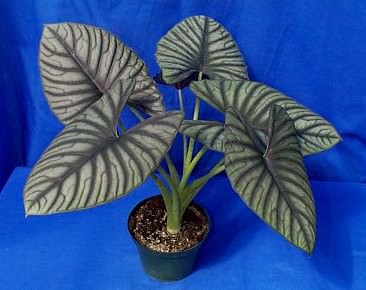
Alocasia Imperialis HUZUR SOKAI Yaamaya Deer Hobiler Plantae

Houseplants Indoor Plants On Instagram A Guide To Identify The

Alocasia Baginda Dragon Scale Urbanjungle

Pink Stem Alocasia Alocasia Plant Pink Leaf Plant Foliage Plants
Post a Comment for "Alocasia Dragon Tooth: Discover the Mysterious Beauty of this Plant"