Lime Philodendron: The Ultimate Guide to Growing and Caring for This Stunning Houseplant
Are you looking for a houseplant that is both beautiful and easy to care for? Look no further than the lime philodendron! This gorgeous plant is a popular choice among indoor gardeners due to its bold, vibrant foliage and low-maintenance nature. In this guide, we'll explore everything you need to know about growing and caring for lime philodendrons in your own home.
Lime philodendrons are a type of tropical plant that belong to the Araceae family. They are native to Central and South America, where they can be found growing in the understory of rainforests. These plants are known for their large, glossy leaves that come in shades of green and yellow-green, giving them a unique appearance that is sure to catch the eye.
One of the reasons why lime philodendrons are so popular as houseplants is because they are relatively low-maintenance. They don't require a lot of water or attention, making them perfect for busy people who still want to enjoy the benefits of having plants in their home. Additionally, these plants are great for purifying the air, which can help improve indoor air quality and promote better health.
So whether you're a seasoned indoor gardener or just ing out, read on to learn everything you need to know about growing and caring for lime philodendrons!
1. Choosing the Right Soil
When it comes to growing lime philodendrons, choosing the right soil is key. These plants prefer well-draining soil that is rich in organic matter, such as peat moss or compost. Avoid using heavy, clay-based soils, as these can lead to root rot and other problems.
It's also important to choose a pot that is the right size for your plant. A pot that is too small can restrict growth and lead to root-bound plants, while a pot that is too large can cause the soil to stay wet for too long, which can also lead to root rot.
2. Watering Lime Philodendrons
Watering lime philodendrons can be a bit tricky, as these plants don't like to be too wet or too dry. The key is to water them regularly, but not too frequently. Allow the soil to dry out slightly between waterings, and be sure to use room-temperature water.
One way to tell if your plant needs water is to stick your finger into the soil. If it feels dry up to the first knuckle, it's time to water. If it still feels moist, wait a day or two before checking again.
3. Providing Proper Lighting
Like most tropical plants, lime philodendrons prefer bright, indirect light. They can tolerate some direct sunlight, but too much can scorch their leaves. If you notice that your plant's leaves are turning brown or yellow, it may be getting too much sun.
If you're growing your lime philodendron indoors, place it near a window that gets plenty of natural light, but avoid placing it in direct sunlight. If you're growing it outdoors, choose a spot that gets partial shade, such as under a tree or on a covered porch.
4. Fertilizing Your Plant
While lime philodendrons don't need a lot of fertilizer, they do benefit from occasional feedings. Use a balanced, water-soluble fertilizer once a month during the growing season (spring and summer), and reduce fertilization during the winter months.
Be careful not to over-fertilize your plant, as this can lead to salt buildup in the soil and other problems. Always follow the instructions on the fertilizer package, and be sure to water your plant well after fertilizing.
5. Repotting Your Plant
As your lime philodendron grows, it may eventually outgrow its pot and need to be repotted. This is typically every 2-3 years, or when the roots to fill up the pot.
When repotting, choose a pot that is one size larger than the current pot and fill it with fresh soil. Carefully remove your plant from its old pot, loosen the roots, and place it in the new pot. Water well and allow the plant to adjust to its new surroundings before fertilizing.
6. Dealing with Pests and Diseases
Lime philodendrons are generally resistant to pests and diseases, but they can still fall victim to common problems such as spider mites, mealybugs, and fungal infections. To prevent these issues, keep your plant clean and well-maintained, and avoid overwatering or letting the soil stay too wet.
If you do notice signs of pest or disease problems, treat the issue promptly with an appropriate insecticide or fungicide. For severe infestations, you may need to prune away affected leaves or even dispose of the entire plant.
7. Propagating Your Plant
One of the great things about lime philodendrons is that they are easy to propagate. This means that you can create new plants from cuttings taken from your existing plant.
To propagate your lime philodendron, take a stem cutting that is at least 6 inches long and has several leaves attached. Dip the cut end into rooting hormone powder, and plant it in a pot filled with moist soil. Keep the soil moist and place the pot in bright, indirect light until the cutting takes root (usually within a few weeks).
8. Decorating with Lime Philodendrons
Lime philodendrons are not only easy to care for, but they also make great decorative accents in any room. Their large, glossy leaves add a touch of tropical flair that can liven up any space.
To incorporate lime philodendrons into your home decor, consider placing them on a bookshelf, mantel, or side table. You can also hang them from the ceiling using a macrame hanger, or group several plants together to create a lush, green display.
9. Using Lime Philodendrons in Landscaping
In addition to being great as houseplants, lime philodendrons can also be used in landscaping to create stunning outdoor displays. These plants thrive in warm, humid climates and can be planted directly in the ground in suitable areas.
To use lime philodendrons in your landscaping, choose a spot that gets partial shade and has well-draining soil. Plant them in groups of three or more for maximum impact, and be sure to water them regularly during dry spells.
10. The Benefits of Growing Lime Philodendrons
There are many benefits to growing lime philodendrons both indoors and outdoors. These plants are not only beautiful to look at, but they also help purify the air by removing toxins and pollutants. They can also help reduce stress and improve mental health by providing a calming, natural environment.
So if you're looking for a low-maintenance plant that is both beautiful and beneficial, try growing a lime philodendron today!
In conclusion, lime philodendrons are a wonderful plant to add to any indoor or outdoor space. With their bold, vibrant foliage and low-maintenance nature, they are perfect for busy people who still want to enjoy the benefits of having plants in their home. By following the tips outlined in this guide, you can ensure that your lime philodendron thrives and brings joy to your life for years to come.
Frequently Asked Questions
Q1. How often should I water my lime philodendron?
A: Lime philodendrons prefer to be watered regularly, but not too frequently. Allow the soil to dry out slightly between waterings, and be sure to use room-temperature water. Stick your finger into the soil to determine if it needs watering.
Q2. How do I propagate my lime philodendron?
A: To propagate your lime philodendron, take a stem cutting that is at least 6 inches long and has several leaves attached. Dip the cut end into rooting hormone powder, and plant it in a pot filled with moist soil. Keep the soil moist and place the pot in bright, indirect light until the cutting takes root (usually within a few weeks).
Q3. What kind of soil should I use for my lime philodendron?
A: Lime philodendrons prefer well-draining soil that is rich in organic matter, such as peat moss or compost. Avoid using heavy, clay-based soils, as these can lead to root rot and other problems.
Q4. Can I grow lime philodendrons outdoors?
A: Yes, lime philodendrons can be grown outdoors in suitable areas. They thrive in warm, humid climates and should be planted in partial shade with well-draining soil.
Q5. How much light does my lime philodendron need?
A: Lime philodendrons prefer bright, indirect light. They can tolerate some direct sunlight, but too much can scorch their leaves. If you're growing your plant indoors, place it near a window that gets plenty of natural light, but avoid placing it in direct sunlight.
Q6. How often should I fertilize my lime philodendron?
A: Lime philodendrons benefit from occasional feedings with a balanced, water-soluble fertilizer once a month during the growing season (spring and summer), and reduced fertilization during the winter months.
Q7. What kind of pests and diseases can affect my lime philodendron?
A: Lime philodendrons are generally resistant to pests and diseases, but they can still fall victim to common problems such as spider mites, mealybugs, and fungal infections. Keep your plant clean and well-maintained to prevent these issues.
Q8. How do I know if my lime philodendron needs to be repotted?
A: Repot your lime philodendron every 2-3 years, or when the roots to fill up the pot. Choose a pot that is one size larger than the current pot and fill it with fresh soil.
Q9. Can I use my lime philodendron for landscaping?
A: Yes, lime philodendrons can be used in landscaping to create stunning outdoor displays. Plant them in groups of three or more for maximum impact, and be sure to water them regularly during dry spells.
Q10. What are the benefits of growing lime philodendrons?
A: Lime philodendrons help purify the air by removing toxins and pollutants, and can also reduce stress and improve mental health by providing a calming, natural environment.
12 Lime philodendron Images

PHILODENDRON LEMON LIME UPRIGHT John St Shop In 2021 Tropical

Why Are My Philodendrons Leaves Curling Bloomscape In 2021

Philodendron Lemon Lime In 2021 Philodendron Hanging Plants Plant Mom

This Philodendron Moonlight May Be My New Favourite Plant Look At

Buy Philodendron Lemon Lime Direct From The Greenhouse Planterina
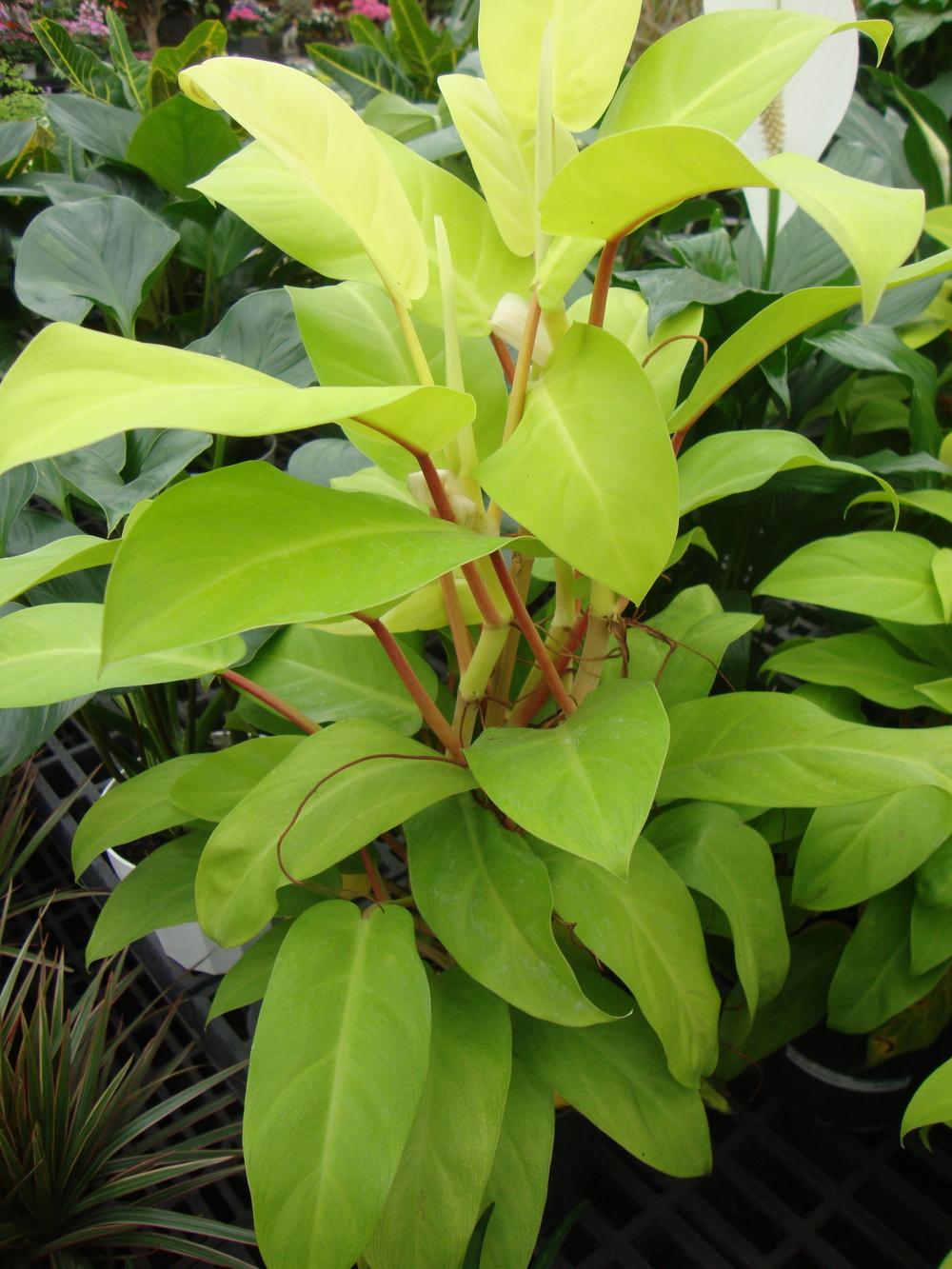
Lemon Philodendron Shade Only Plants Inside Plants Philodendron

Philodendron Hederaceum Lemon Lime Philodendron Plant Plants

Brasil Lemon Lime Plant Philodendron Brasil Lemon Lime Etsy

Pin By S Taylor On Plants Philodendron Plant Philodendron

Philodendron Lemon Lime Water Plants Indoor Plants Plant Nursery

Philodendron Scandens Brazil Vs Lemon Lime Mix Philodendron

Philodendron Lemon Lime Plant In 2x2x7 Pot Lemon Lime Plants
Post a Comment for "Lime Philodendron: The Ultimate Guide to Growing and Caring for This Stunning Houseplant"